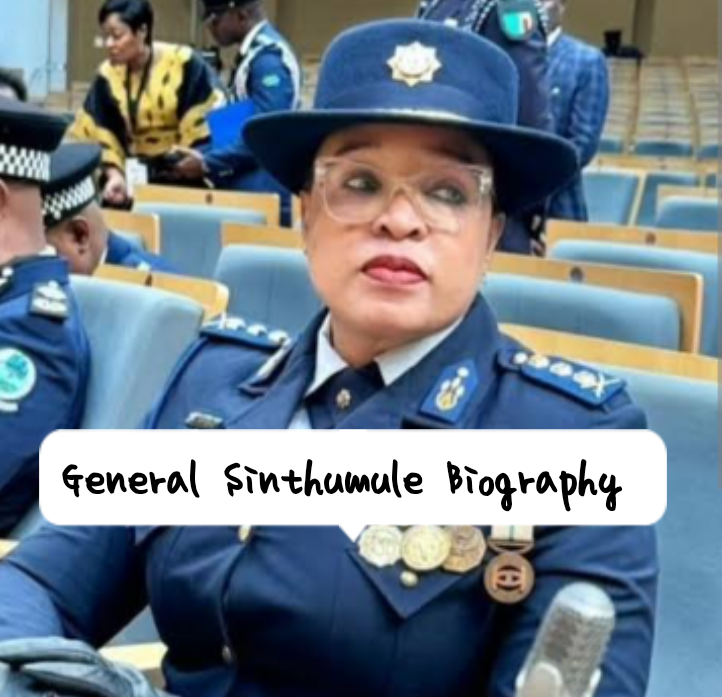
General Sinthumule Biography
General Sinthumule is a key figure in South African law enforcement. Her full name is Lieutenant General Hilda Khosi Senthumule. She holds a high rank in the South African Police Service, often called SAPS. As of March 2026, she serves as the Acting Deputy National Commissioner for Crime Detection. This role makes her responsible for overseeing major parts of crime investigation and forensic work across the country.
Senthumule has built a career over 26 years, breaking barriers as a woman in a field often led by men. She has achieved several firsts, such as being the first female head in counter terrorism roles. Her work touches on fighting organized crime, terrorism, and political violence. Yet, her path includes challenges, including recent inquiries into her conduct.
This article explores who General Senthumule is, from her beginnings to her current status. It aims to inform readers about her contributions to policing in South Africa. By understanding her story, people can learn about the complexities of law enforcement in a nation facing high crime rates and calls for reform. South Africa has struggled with issues like corruption and violence since the end of apartheid in 1994. Leaders like Senthumule play a vital part in addressing these problems.
Her story shows resilience and dedication. In a country where women make up about 37 percent of the police force as of 2025 reports, her rise inspires many. This piece draws from official SAPS statements, commission testimonies, and news sources to provide accurate facts. It avoids guesses and sticks to verified events.
General Sinthumule Early Life and Background
Details on General Senthumule’s early life remain limited in public records. She was born in South Africa, likely in the Limpopo province, based on her name’s cultural ties to Venda heritage. Venda people are known for strong community values and traditions in northern South Africa. This background may have shaped her sense of duty and commitment to public service.
Growing up in post apartheid South Africa, she experienced a time of change. The country shifted from racial segregation to democracy in the 1990s. Many young people, especially women, sought opportunities in government roles. Education played a key role in her path. While specific schools or degrees are not widely detailed, her entry into intelligence work suggests training in security or related fields.
Senthumule joined law enforcement around the year 2000, marking the start of her 26 year journey by 2026. Before SAPS, she worked in civilian intelligence areas. This early exposure built her skills in gathering information and analyzing threats. South Africa’s intelligence community grew after 1994 to focus on national security rather than oppression.
Her background reflects broader trends for women in policing. In the early 2000s, SAPS aimed to increase female officers to promote equality. Programs encouraged women to join, offering training in leadership. Senthumule’s rise shows how such efforts can lead to high positions.
Family influences are not publicly shared, but her career choices hint at a drive for justice. In interviews, she has spoken about passion for protecting communities. This stems from seeing crime’s impact on families during her youth. Limpopo, her possible home area, faces issues like poverty and cross border crime, which could have motivated her.
Overall, her early life laid a foundation of perseverance. It prepared her for roles requiring quick thinking and ethics. By understanding this, readers see how personal roots connect to professional success in public service.
General Sinthumule Career
General Senthumule’s career spans 26 years in law enforcement, filled with promotions and groundbreaking roles. She began in civilian intelligence and the National Intelligence Coordinating Committee, known as NICOC. This group coordinates security information across agencies.
In 2008, she became the head of counter terrorism in SAPS. This made her the first woman in that position. Her work ensured safety during events like the 2010 FIFA World Cup. South Africa hosted the global soccer event, requiring tight security against threats. Senthumule’s team helped prevent incidents, boosting the nation’s image.
She advanced to become the first female Head of Counter and Security Intelligence. This role involved overseeing operations to stop terrorism and protect national interests. By 2012, she took charge of Labour Relations in SAPS. Here, she managed staff issues, ensuring fair treatment for officers.
In 2014, Senthumule became Component Head of Leadership and Management. This position focused on training and developing police leaders. She emphasized skills for modern challenges, like cyber crime.
By 2016, she led Organised Crime Investigations. As the first woman in this SAPS and Directorate for Priority Crime Investigation role, often called the Hawks, she targeted groups involved in drugs, fraud, and smuggling. Her efforts led to arrests and seizures, reducing crime networks.
In 2021, she achieved another first as Divisional Commissioner of Detective and Forensic Services. This is a top role overseeing units like Crime Investigation Service, Commercial Crime, Serious Violent Crime, Organised Crime, Family Violence Child Protection and Sexual Offences Unit, Criminal Records, Forensic Science Laboratories, and Quality Management.
As of 2026, she acts as Deputy National Commissioner for Crime Detection. This involves directing national strategies against crime. She managed the handover of 121 dockets from the disbanded Political Killings Task Team in July 2024. This team investigated murders linked to politics, a major issue in provinces like KwaZulu Natal.
Throughout her career, Senthumule has promoted gender equality. She mentored women officers and supported programs for work life balance. Her achievements include improving forensic labs, leading to faster case resolutions. For example, under her leadership, DNA testing times dropped, helping solve cold cases.
She has testified in commissions, sharing insights on police operations. Her work aligns with SAPS goals to build trust with communities. In a 2025 report, SAPS noted increased convictions in organized crime due to better investigations.
Senthumule’s path educates on career growth in policing. It shows the need for continuous learning and adaptability. Readers can learn how roles like hers protect society daily.
General Sinthumule Controversies and Allegations
General Senthumule has faced scrutiny through the Madlanga Commission of Inquiry. This body, established in 2025, examines claims of criminality, political interference, and corruption in the justice system. It began after statements by Lieutenant General Nhlanhla Mkhwanazi on July 6, 2025.
In November 2025, Senthumule testified about the disbandment of the Political Killings Task Team, or PKTT, in July 2024. She described challenges in auditing and handing over 121 case files. This process strained her relationship with her then superior, suspended Lieutenant General Shadrack Sibiya. She called their dynamic “touch and go,” meaning it changed often without clear reasons.
Sibiya made allegations against her during his February 2026 testimony. He claimed she had an intimate relationship with businessman Vusimuzi Matlala, known as Cat. Sibiya said Matlala funded a Brazilian Butt Lift procedure for her. He also alleged she received 10 refrigerators from Matlala, who was a SAPS service provider.
Senthumule denied these claims firmly. On February 20, 2026, she stated, “I never had a relationship with Matlala.” She appeared before the commission multiple times, including on March 6, 2026, to address these points.
Sibiya further accused her of fraud, such as creating fake overtime claims and misusing budgets. These came during his cross examination. The commission questioned why a junior officer handled arrangements for Sibiya, but this tied back to broader SAPS protocol issues.
Senthumule also detailed refusing verbal instructions from superiors, insisting on written orders for actions like docket transfers. On one occasion, she told General Kumalu, “When you instruct me, it must be in writing.” This highlights her stance on proper procedures.
The controversies center on her professional conduct and personal choices. No formal charges have resulted as of March 2026. The commission continues to gather evidence, aiming for fair outcomes.
These events show the pressures in high level policing. They underscore the need for transparency in SAPS. Readers can learn how inquiries like Madlanga help maintain accountability.
General Sinthumule Personal Life
Public information on General Senthumule’s personal life is scarce. She keeps private matters away from media spotlight, focusing on her professional duties. As a senior officer, this approach protects her family and maintains focus on work.
She is believed to reside in Gauteng province, near SAPS headquarters in Pretoria. This location suits her role, allowing quick response to national issues.
No details on marital status or children are confirmed in reliable sources. Her testimonies mention balancing heavy workloads, suggesting a demanding schedule that limits personal time.
Senthumule has spoken about the emotional toll of policing. In commission hearings, she described stress from internal conflicts. This reflects common experiences for officers dealing with high stakes cases.
Her Venda heritage may influence cultural practices, but she has not shared specifics. Interests outside work are unknown, though her career shows dedication to community safety.
Overall, her personal life appears centered on service. This privacy allows her to lead without distractions.
Conclusion
General Hilda Khosi Senthumule stands as a pioneer in South African policing. Her 26 year career includes breaking gender barriers and advancing crime fighting efforts. From early intelligence roles to leading detective services, she has shaped SAPS responses to threats like terrorism and organized crime.
Challenges, including Madlanga Commission allegations, test her resilience. Yet, her denials and focus on procedures show commitment to ethics. As of March 2026, she continues in her acting deputy role, contributing to national security.
Her story teaches about leadership in tough fields. It highlights progress for women in law enforcement and the ongoing need for reforms in SAPS. Readers can appreciate how one person’s path reflects broader societal changes in South Africa.
FAQs
What is General Senthumule’s full name and rank?
Her full name is Lieutenant General Hilda Khosi Senthumule. She holds the rank of Lieutenant General in SAPS.
What are the main allegations against General Senthumule?
Allegations include an claimed intimate relationship with businessman Vusimuzi Matlala, who allegedly funded a Brazilian Butt Lift for her. Suspended Lieutenant General Shadrack Sibiya made these claims in February 2026 at the Madlanga Commission. She also faced accusations of receiving refrigerators from Matlala and fraud like fake overtime.
What is General Senthumule’s role in the Madlanga Commission?
She testified multiple times, including in November 2025 and February 2026. She discussed the PKTT disbandment and denied personal allegations.
Has General Senthumule been suspended?
No, she has not been suspended as of March 2026. She remains in her acting role while the commission proceeds.
What are General Senthumule’s key achievements in SAPS?
She achieved several firsts: first female Section Head of Counter Terrorism in 2008, first female Head of Counter and Security Intelligence, first female Head of Organised Crime in 2016, and first female Divisional Commissioner of Detective and Forensic Services in 2021. She contributed to 2010 World Cup security and improved forensic services.